

Could it be ADHD?

Understanding ADHD beyond the stereotype

Could it be ADHD? Join us to learn and discover the answer. 

What ADHD is
A neurodevelopmental condition involving differences in attention, impulse control, and activity regulation. It can affect children, teens, and adults across school, work, and relationships.
What ADHD is not!
Not laziness, a character flaw, poor parenting, or simply a lack of willpower. Symptoms reflect neurological differences rather than effort or intelligence.
Our approach to ADHD
Collaborative, strengths-based counseling that helps clients build practical skills in organization, emotional regulation, and communication.
Could it be ADHD? Let us help you find out. Support is available for individuals, couples, and families in Westerville and Johnstown to discover 

Could it be ADHD? Understanding the Signs

Everyday Examples of ADHD

Could It Be ADHD?

Friends That Fade

Jill often feels she says the wrong thing in conversations and struggles to keep close friendships. She may interrupt without meaning to, miss social cues, or have trouble following through on plans. Over time, these patterns can leave her feeling isolated or misunderstood, even when she cares deeply about the people around her. Greater awareness of how attention and impulse differences affect social interactions can help Jill build stronger connections and reduce the frustration that comes with friendships that seem to fade.

Could it be ADHD?

Living With Constant Worry

Luke cannot shake the feeling that something bad is about to happen, even when things are going well. His mind stays on alert, jumping from one concern to the next and making it hard to relax or stay present. This constant mental activity can leave him feeling drained, irritable, or unable to enjoy moments of calm. Understanding how differences in attention and emotional regulation may contribute to ongoing worry can help Luke develop practical ways to quiet his thoughts and feel more grounded in daily life.
Could it be ADHD?

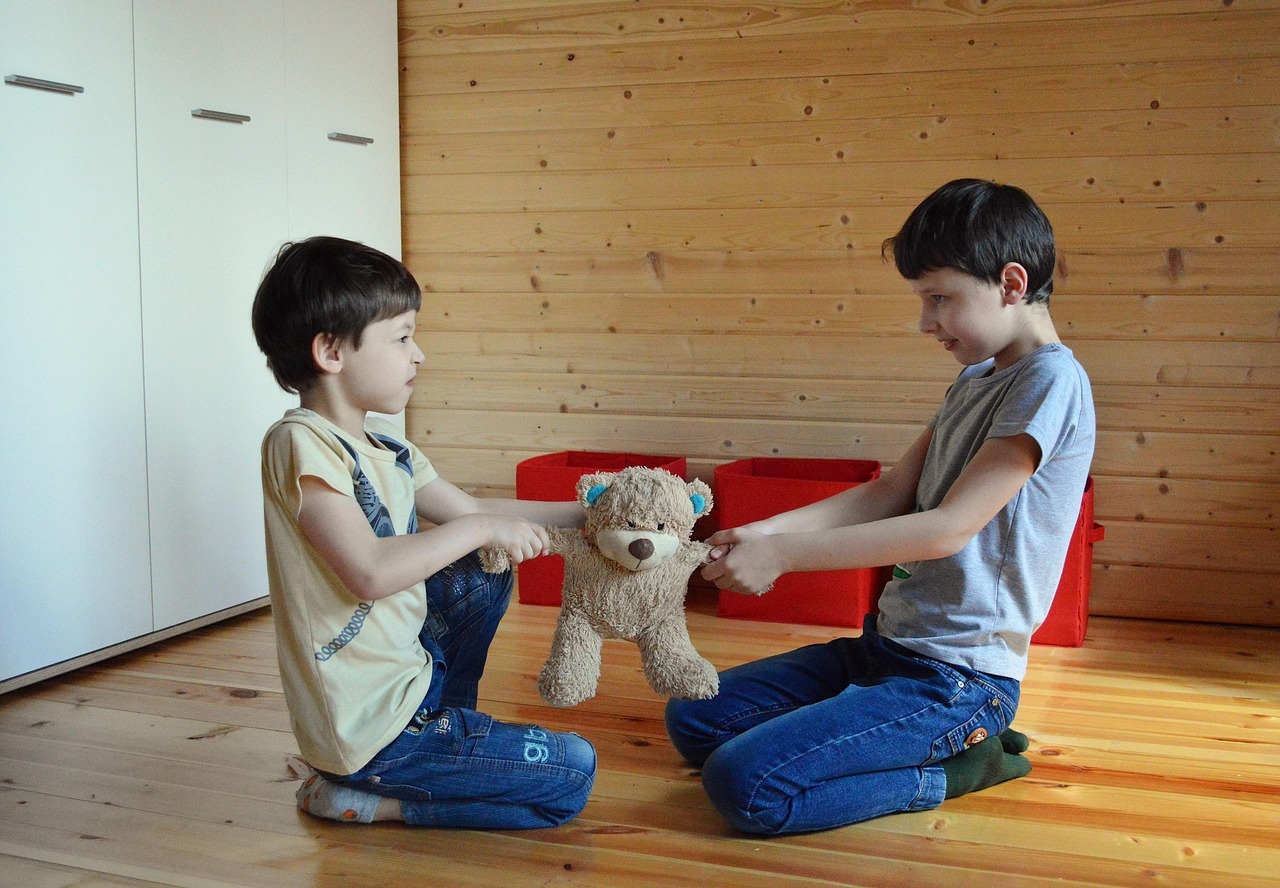
Childhood Challenges

Mark’s teachers notice frequent arguments and impulsive behavior in the classroom, while his mom finds it difficult to maintain consistent boundaries at home. These patterns can create tension between school and family expectations, leaving Mark feeling frustrated and misunderstood. His mother may also feel exhausted from repeated power struggles and uncertainty about how best to respond. Greater insight into how attention and impulse differences can affect behavior often helps both parents and educators create clearer structures and more supportive responses that reduce conflict over time.

Could it be ADHD?

Relationship Strain

Alex frequently forgets details and follow-through tasks, which leaves Amy feeling frustrated and overlooked. At the same time, Alex begins to feel nagged and misunderstood, creating a cycle of tension between them. These repeated moments can erode trust and make both partners feel unheard, even when the underlying issue is not a lack of care. Learning how differences in attention and memory may contribute to these patterns often helps couples communicate more clearly and rebuild connection with greater patience and understanding.

Common Signs by Age Group

  • Children: Difficulty following multi-step directions, frequent interruptions, strong emotional reactions, trouble sitting still.
  • Teens: Procrastination, missed deadlines, forgetfulness with school or responsibilities, social friction.
  • Adults: Chronic disorganization, time blindness, relationship strain from forgetfulness, feeling overwhelmed by ordinary tasks.

Signs That May Prompt Further Exploration

Many people wonder whether ongoing difficulties with attention, organization, or emotional regulation could be ADHD. Common experiences that sometimes lead individuals or families to seek more information include trouble sustaining focus on tasks that are not highly interesting, frequent forgetfulness, challenges with time management, and emotional reactions that feel stronger or more frequent than expected. These patterns may appear at school, work, or home and can persist even when someone is trying hard to keep up.
In children and teens, signs may include difficulty following multi-step directions, interrupting others, or struggling to stay seated during quiet activities. Adults may notice chronic disorganization, missed deadlines, or relationship friction caused by forgetfulness. While these experiences can overlap with stress, anxiety, or other factors, recognizing them can be a helpful starting point for understanding what might be contributing to daily challenges.
These observations alone do not confirm a diagnosis. If you find yourself asking “could it be ADHD?” a thorough evaluation by a qualified professional is the most reliable way to gain clarity. New Heights Counseling Services in Westerville and Johnstown, Ohio, works with children, teens, and adults who want to explore these patterns and develop practical strategies for greater confidence and connection in everyday life.
 

Do any of these sound familiar? 

Disclaimer: 

The information below is for educational purposes only and is not substitute for professional medical advice, diagnosis, or treatment.

Always consult a qualified healthcare provider for personalized guidance.